
09/05/2026
Exchange of experiences during local shadowing in Alicante
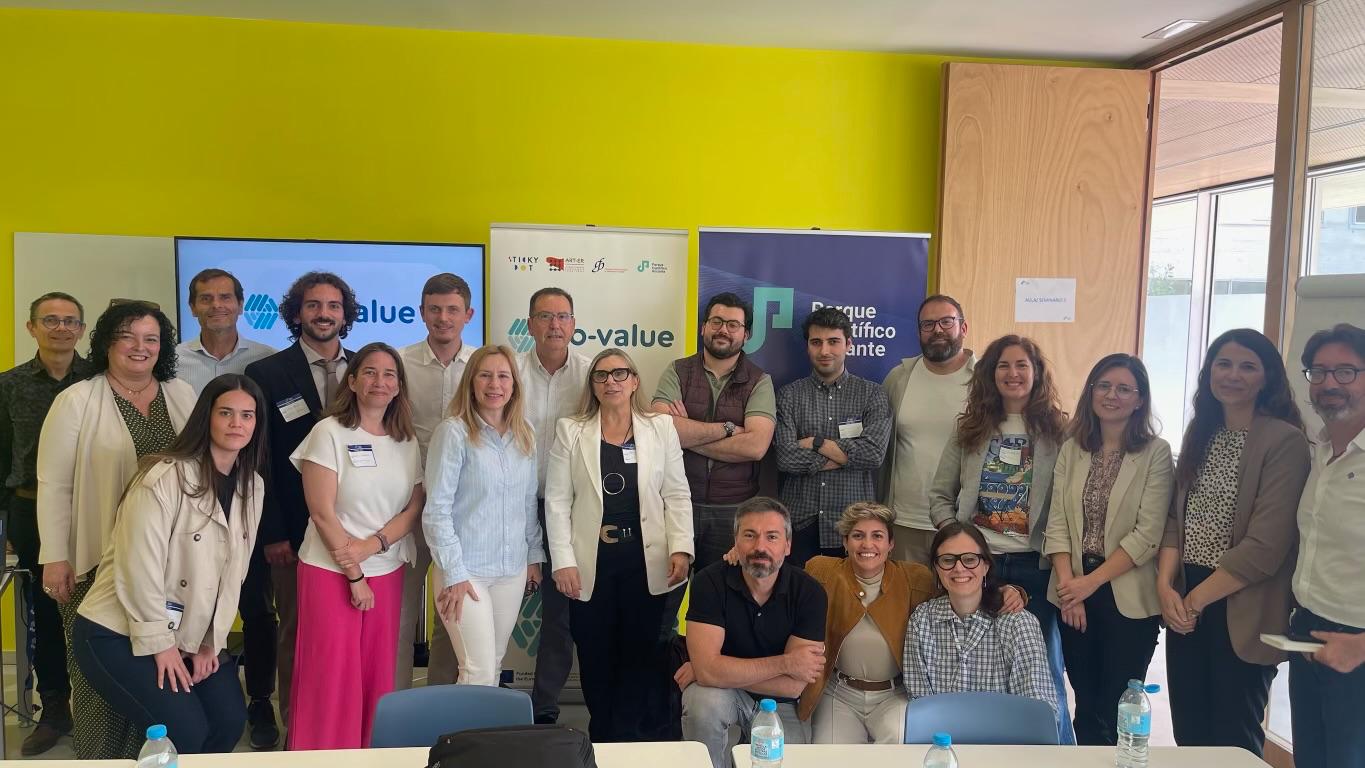
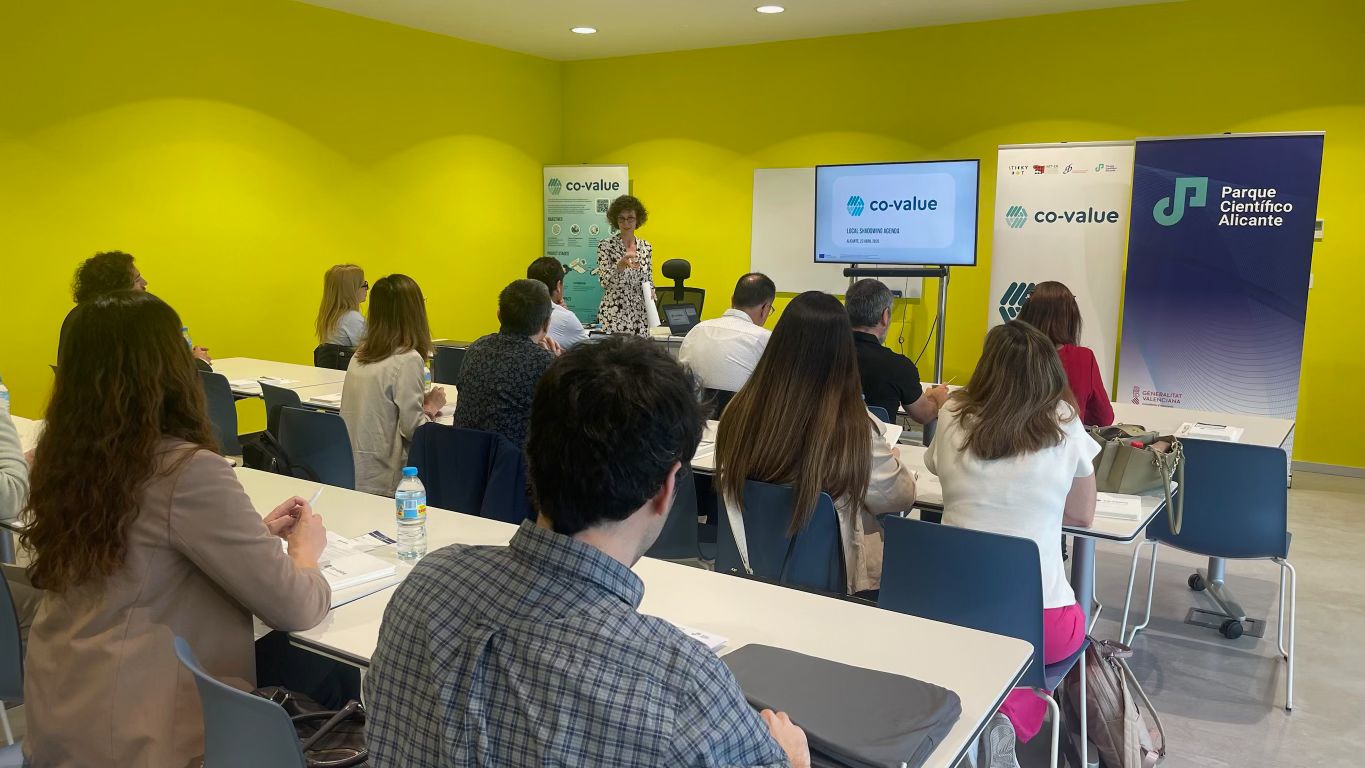
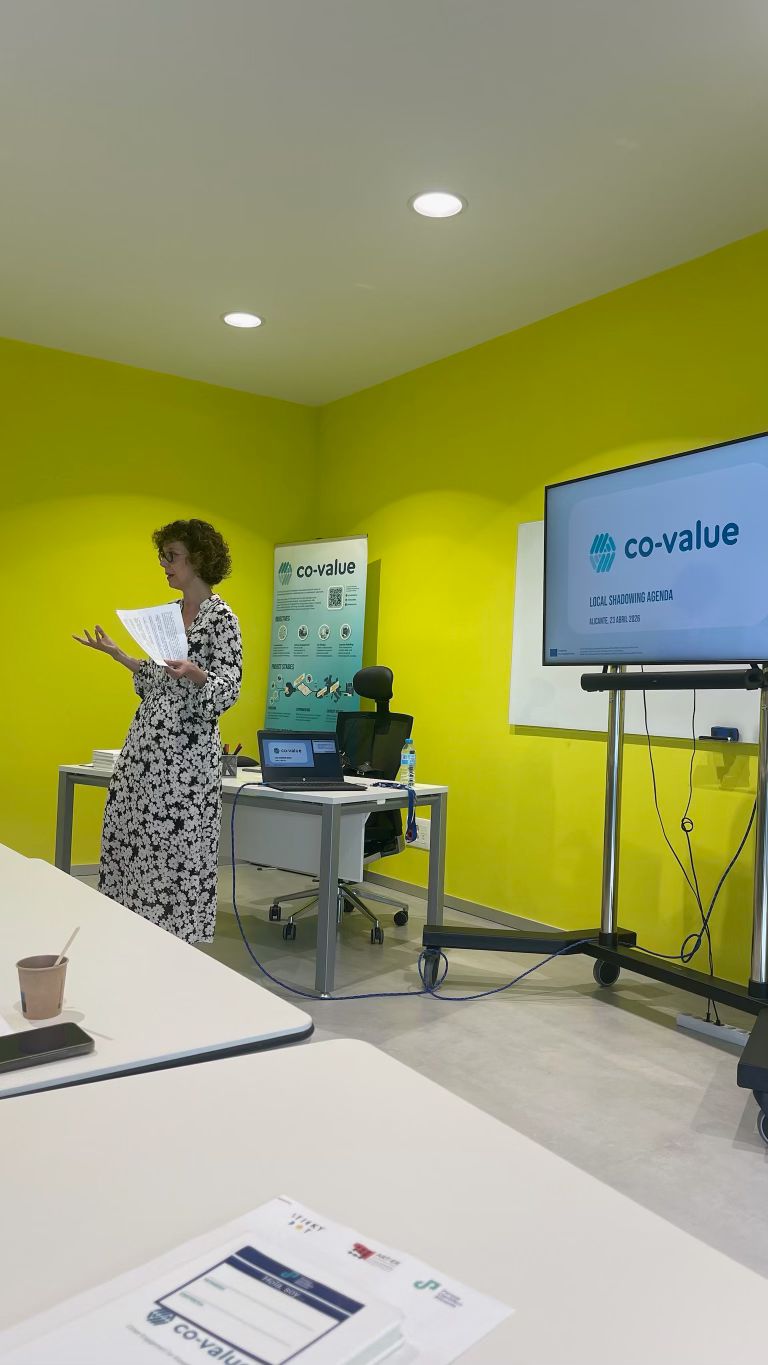
On 23 April 2026, the Alicante Science Park hosted its local shadowing session The event brought together CO-VALUE partners and stakeholders with 15 external professionals from science parks, business incubators, development agencies and industrial associations and researchers. The purpose was to show in practice the lesson learnt of the project. How to involve citizens for knowledge valorisation and how research can be turned into solutions that are more relevant for society.
Far from being a standard dissemination event, the Alicante local shadowing activity was conceived as a peer-learning exercise. Its purpose was to open the lessons learnt acquired during CO-VALUE experimentations to other knowledge-valorisation intermediaries. With the explanations from the overall approach given by Stickydot, ART-ER and Alicante Science Park and the specific vision of the companies taking part in the experiments, the intermediaries were able to observe the process step by step and assess whether it could be adapted in their own territories.
The local shadowing session held in Alicante was a practical workshop gathering organisations interested on working on knowledge valorisation with the involvement of the civil society. Designed with participation at its core, the session built directly on the experience of a similar event organised just a week earlier in EmiliaRomagna, led by ARTER. By learning from what had already worked well, the Alicante event was able to hit the ground running and go one step further.
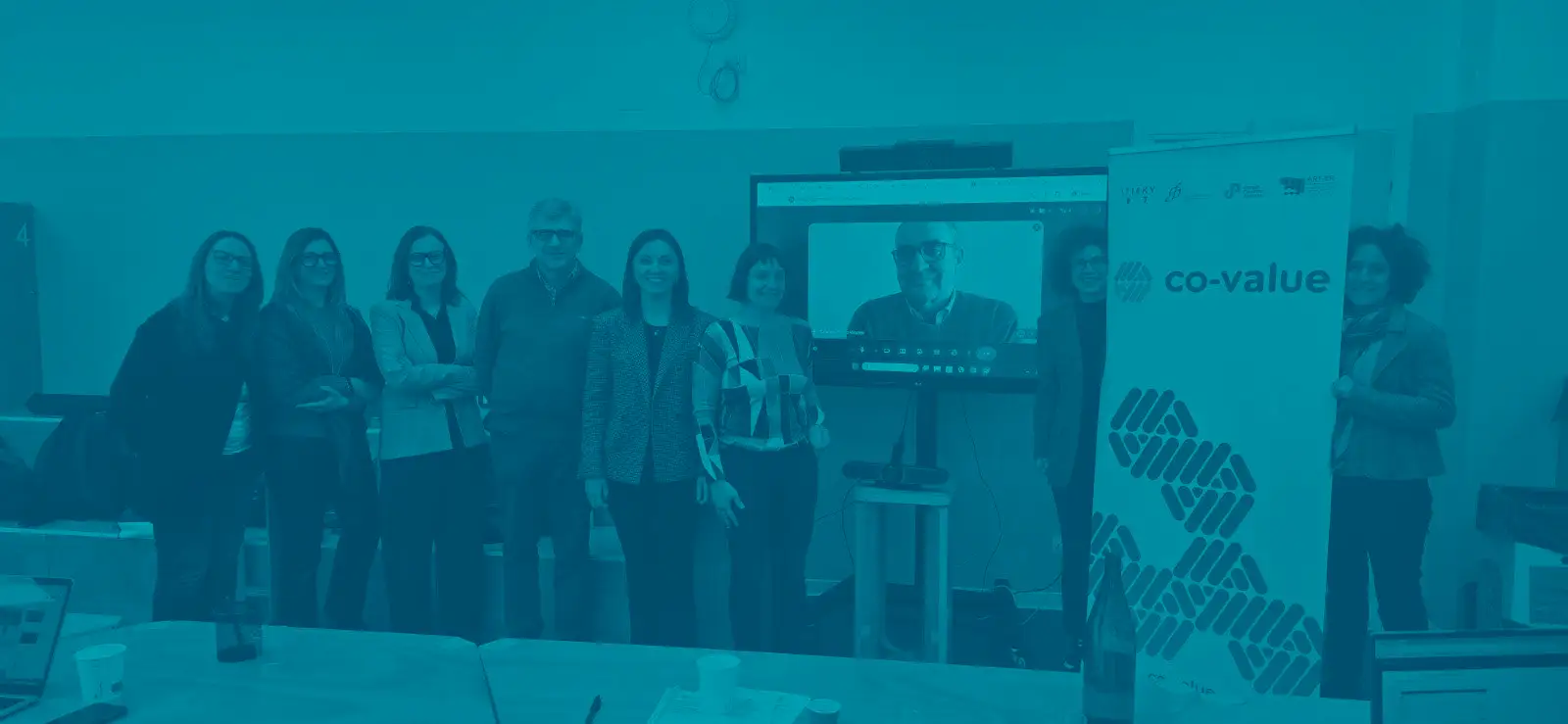
The day kicked off with a shared introduction that set the tone for collaboration. With Marzia Mazzonetto, Coordinator of the COVALUE project, present in Alicante, participants had the opportunity to connect directly with the wider vision of the CO-VALUE project. This was combined by a local perspective from Mar Cervera and Olivia Estrella from the Alicante Science Park, who explained how intermediary organisations can play a key role in connecting companies, researchers and society. Complementing this, Francesca Lavagetto (ARTER) joined remotely to share lessons learned from the EmiliaRomagna ecosystem, offering a valuable point of comparison considering the research policies that are being carried out in Emilia Romagna.
What brought the session to life, was the contribution from companies and local actors who are already experimenting with citizen cocreation in practice. The session had the vision from the university spin-offs Solublion and InferIA, the startup Golden Owl, the company Aguas de Alicante, and the Atalayas Industria Park Management Entity (EGM Atalayas). The representatives of the companies explained how involving citizens has helped them refine ideas, challenge assumptions and better understand how their innovations might be received once they reach the market.
One of the most dynamic moments of the day came when participants were invited to share their own experiences working with citizens. Contributions came from a wide variety of ecosystems, including the Ciudad Politécnica de la Innovación (CPI) at the Universitat Politècnica de València, the Círculo Empresarial de Elche y Comarca (CEDELCO), the Science and Technology Park of Almería (PITA), Fisabio, AIJU, the European Business and Innovation Centre of Murcia (CEEIM), and the Science and Technology Park of the City of Gijón. This diversity of perspectives sparked open conversations about what works, what doesn’t, and where there is room to experiment.
By the end of the session, one message was clear: cocreation processes give intermediary organisations a powerful way to understand how society perceives innovation. These insights can then be used into the support services they already offer to companies, making those services more impactful.
For innovative companies, the benefits are just as tangible. Working directly with citizens provides practical tools to codevelop products (or services), that are better aligned with real societal needs, more in tune with market expectations, and less likely to face resistance later on. In short co-creation with civil society helps innovators spot potential challenges early, and turn them into opportunities.
LATEST NEWS:
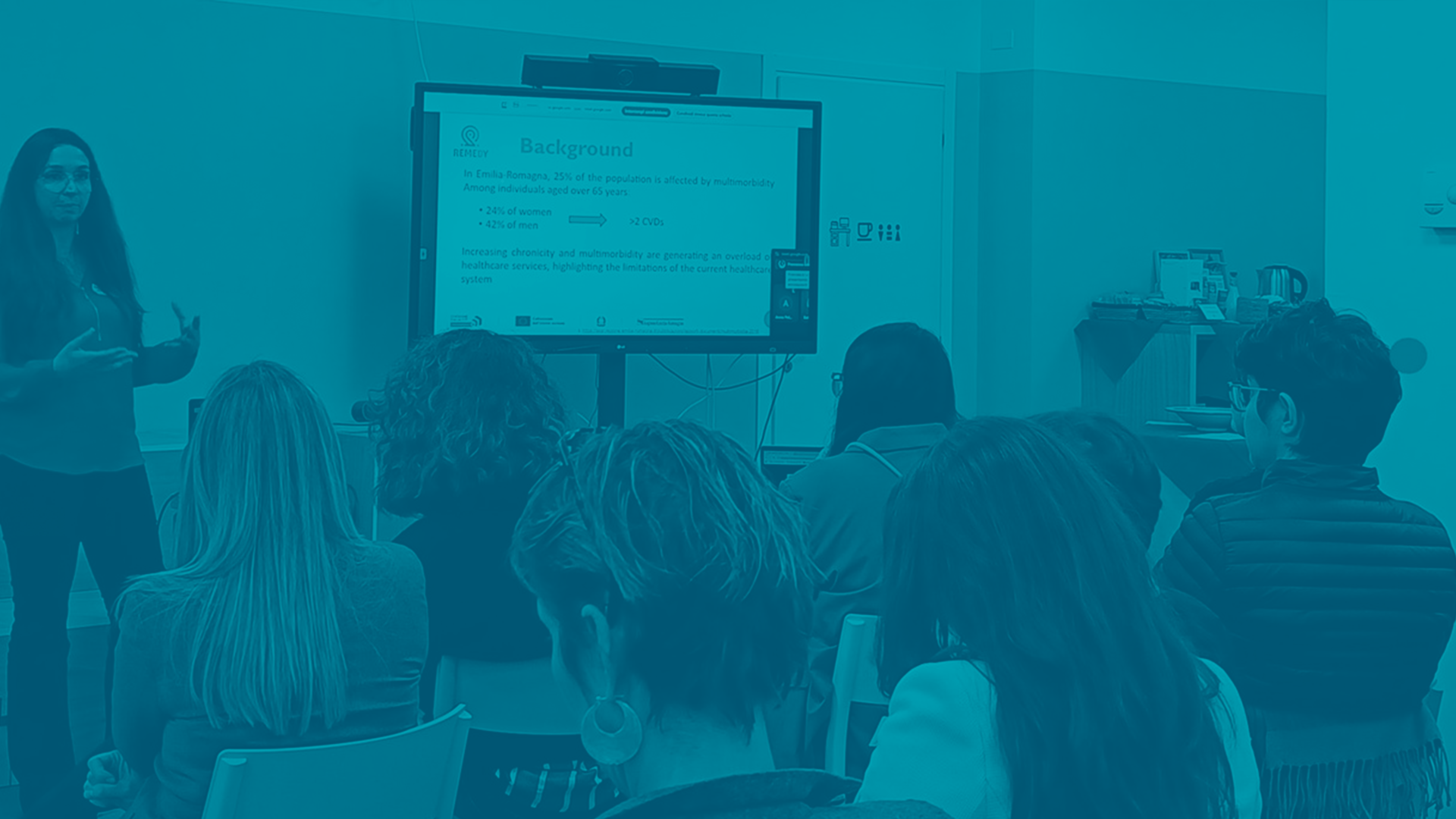
Local shadowing with national stakeholders in Emilia-Romagna
The local shadowing initiative brought together key national stakeholders to explore co-valorization as a way to align innovation more closely with societal needs. All...
Project Meeting in Bologna
On 17–18 March 2026, the last CO-VALUE project meeting took place in Bologna, hosted at Bologna Innovation Square (BIS), the metropolitan innovation platform supporting...
NEWSLETTER
Sign up to be informed about the project’s developments and results through our newsletters.
Newsletter subscription
Your subscription
By subscribing to this list, you accept to receive information about events, news and/or newsletters about the CO-VALUE project. The personal data collected will only be used to send you the newsletter(s) you chose to opt in to above. You can change your mind at any time by clicking the "unsubscribe" link in the footer of any email you receive from us.
We will treat your information with respect.
